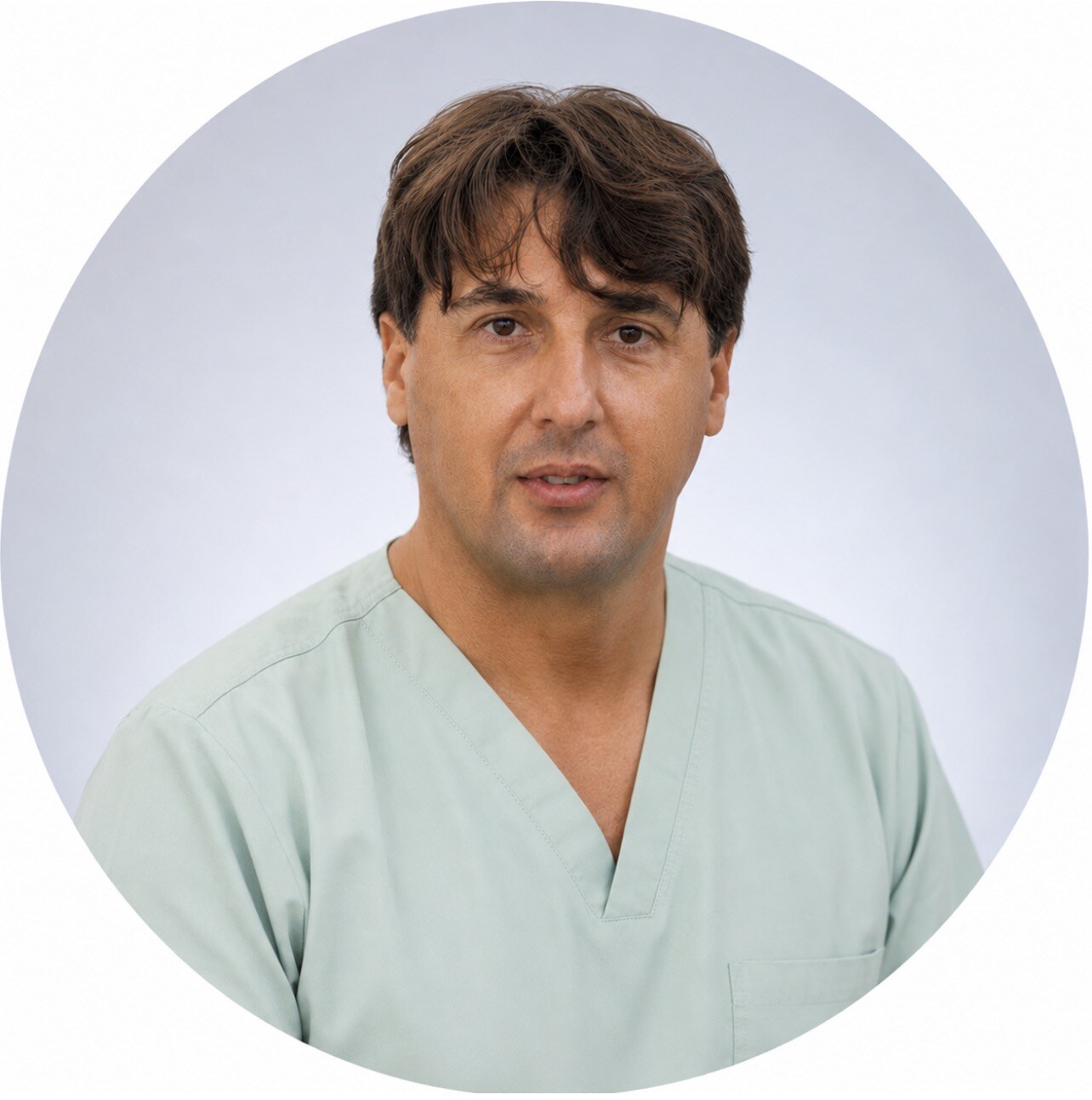
Clinical investigation
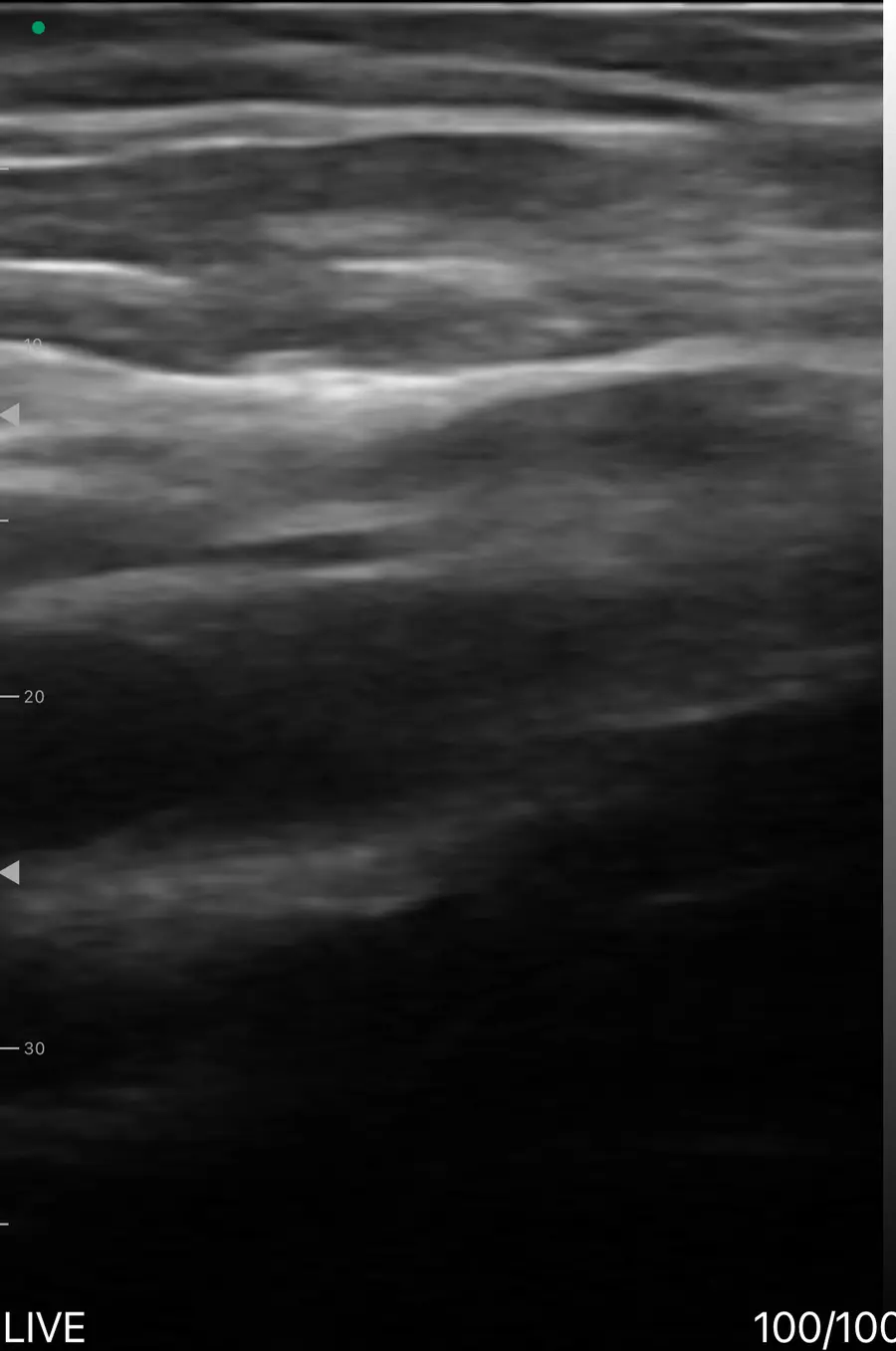
History, movement, manual tests, palpation and, when relevant, musculoskeletal ultrasound are interpreted together.

Musculoskeletal rehabilitation · Geneva
A structured clinical assessment, a functional reading of the neuromusculoskeletal system and personalised treatment — brought together in one rehabilitation strategy.
By appointment · Rue de Fribourg 7 · Geneva
Find My Evidence-Based Treatment PathwayBeta→More than 20 years of clinical practice
ASCA-recognised therapist
NVS Class A · ISPRM member
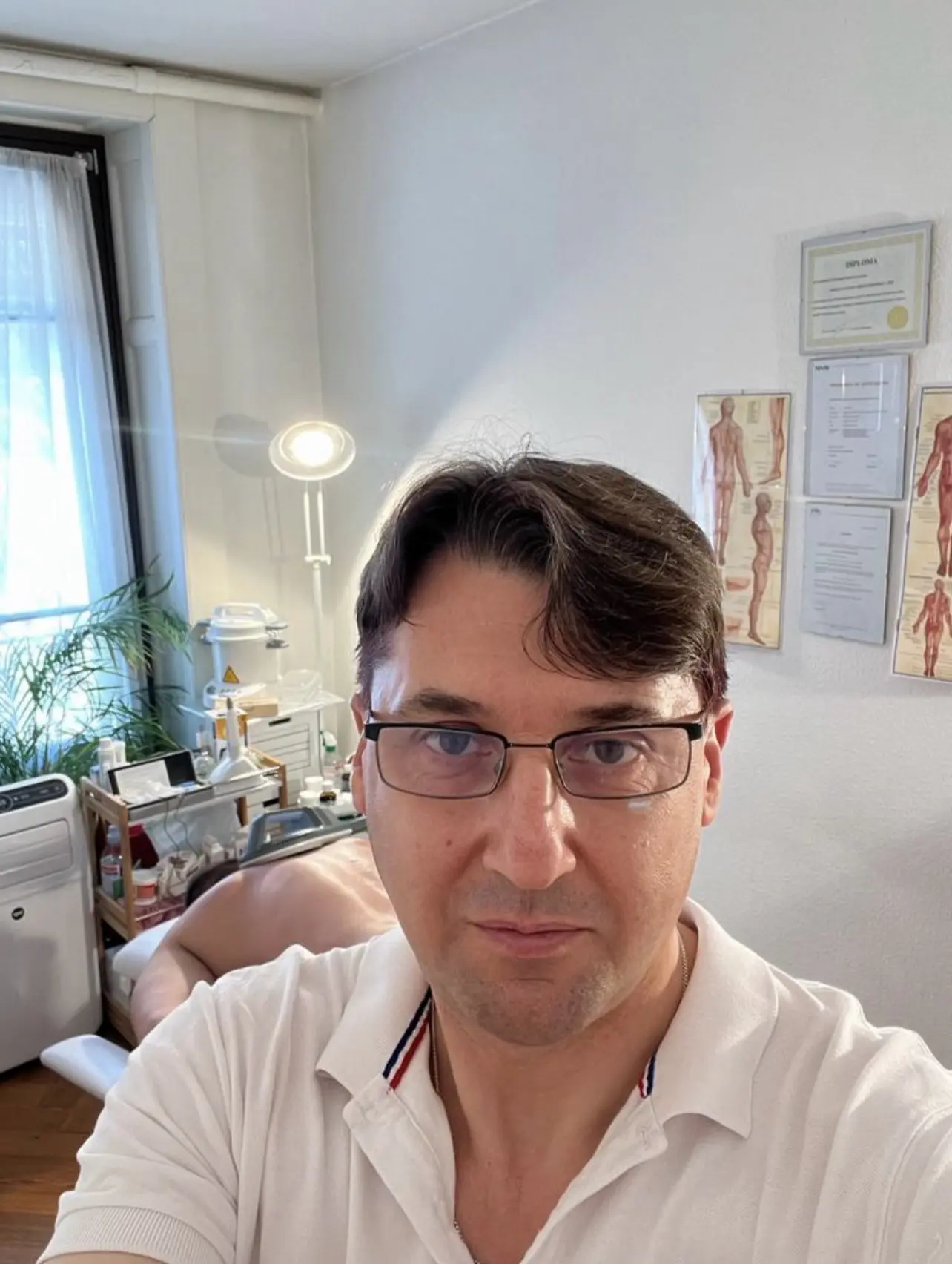
A contemporary therapeutic architecture developed in Geneva, connecting clinical assessment, neurobiology, rehabilitation and biological support.
History, clinical examination and goals
Structures, movement and neurosegments
Targeted, coordinated interventions
Response, function and progress
Integrative rehabilitation medicine
Persistent pain rarely arises from one tissue or one mechanism alone. The examination guides the choice, sequence and dose of each intervention.
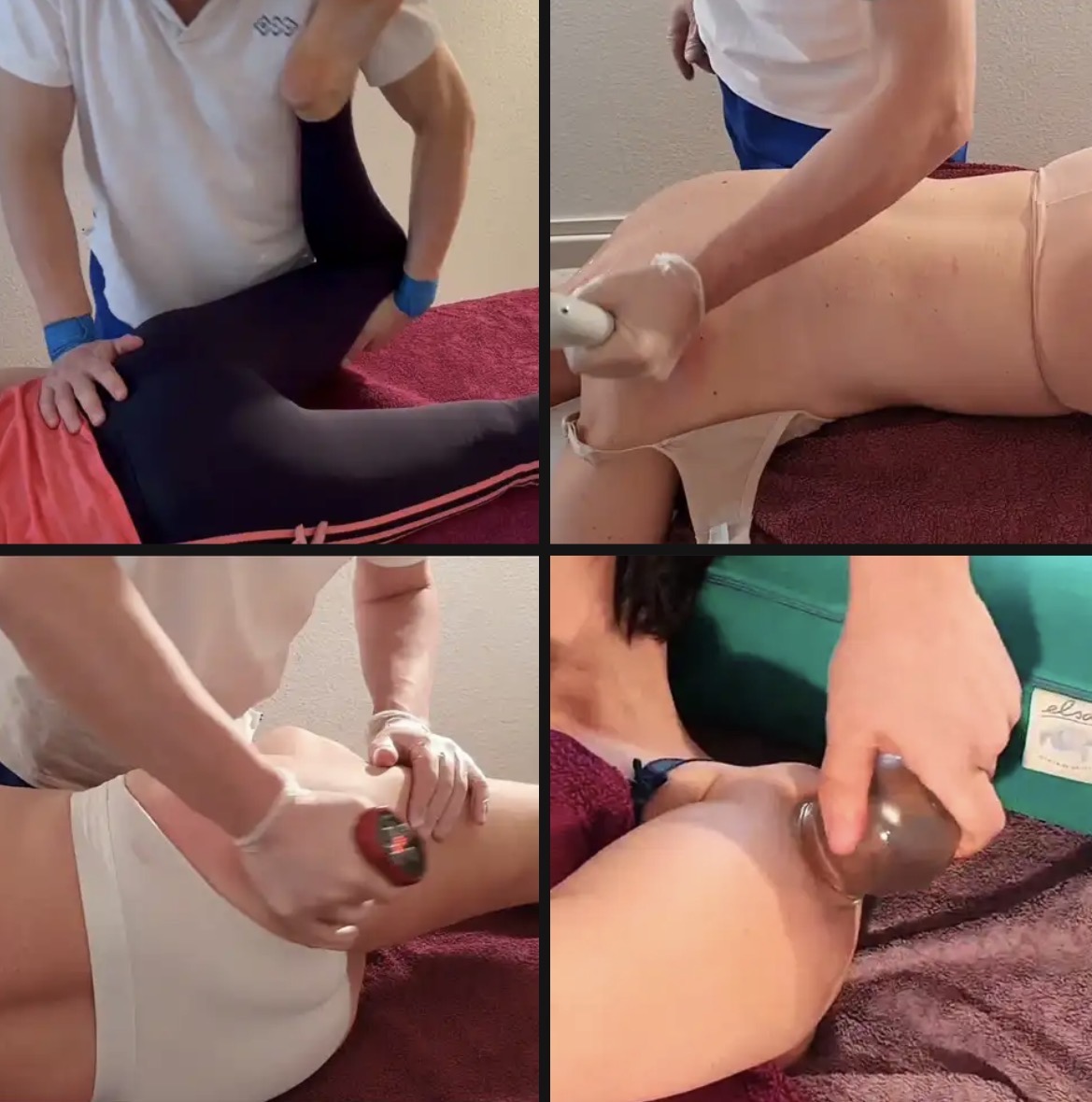
Manual treatment, neuromodulation, exercise and physical technologies are selected and coordinated according to the assessment and your response.
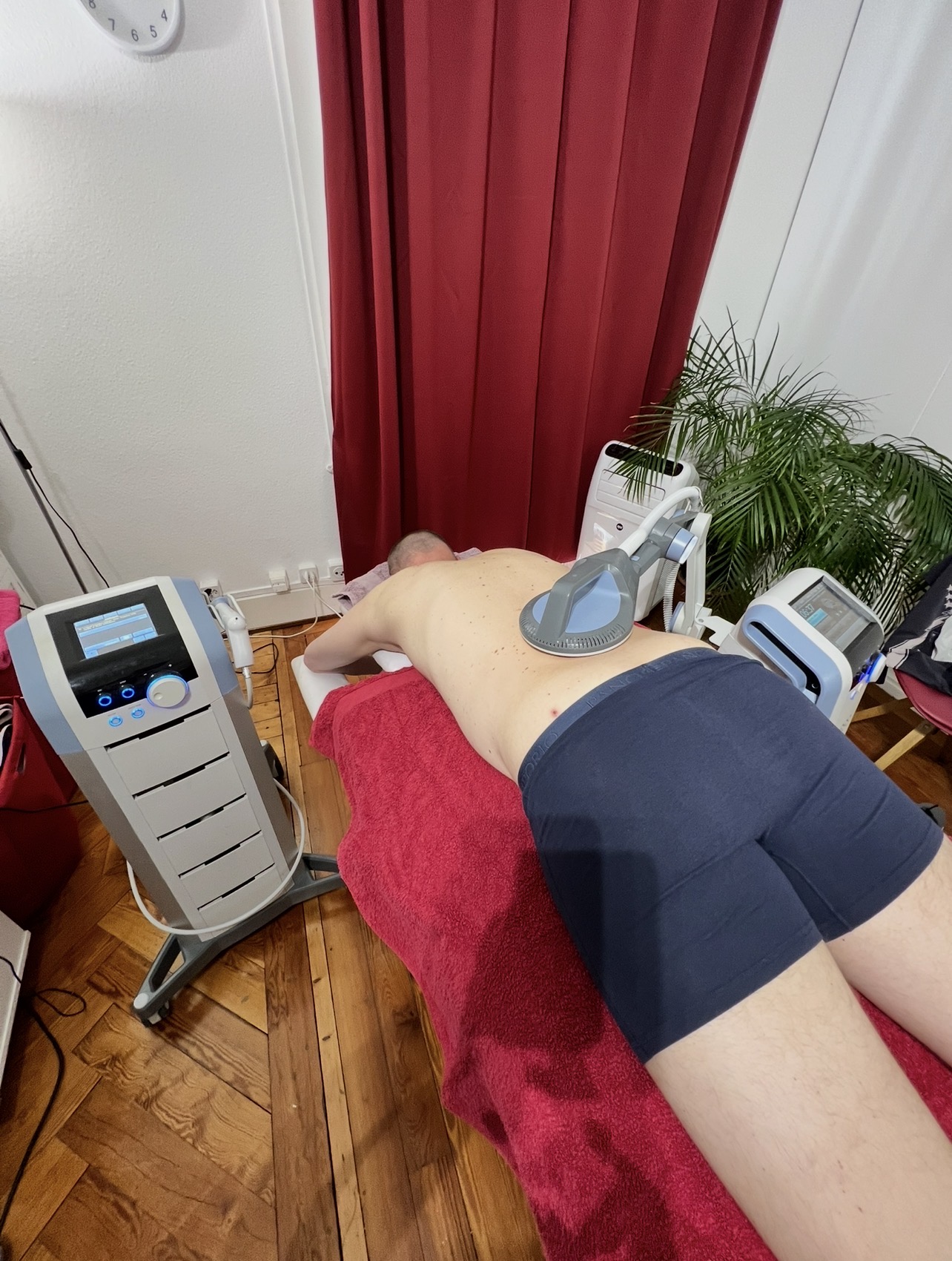
Authentic photographs taken during treatments at IMG Clinic GenevaHistory, movement, manual tests, palpation and, when relevant, musculoskeletal ultrasound are interpreted together.
Manual therapy, medical massage, neurosegmental work and physical technologies are coordinated — never added automatically.
Pain matters, but so do mobility, strength, load tolerance, sleep and the return to meaningful activity.
Clinical indications
This list is indicative. The first consultation determines whether the approach suits your situation and whether medical review or additional imaging is needed.
Neck pain, back pain, stiffness, mechanical thoracic pain and selected sciatica presentations.
Shoulder, elbow, hip, knee and ankle problems compatible with conservative management.
Tendinopathy, overload, ankle-sprain consequences, progressive loading and return to sport.
Hypertonicity, tender points, fascial restriction and periosteal pain within a neurosegmental rationale.
Tissue and functional rehabilitation, with medical agreement or coordination when required.
Analysis of mechanical, neurological, functional and behavioural factors that may sustain limitation.
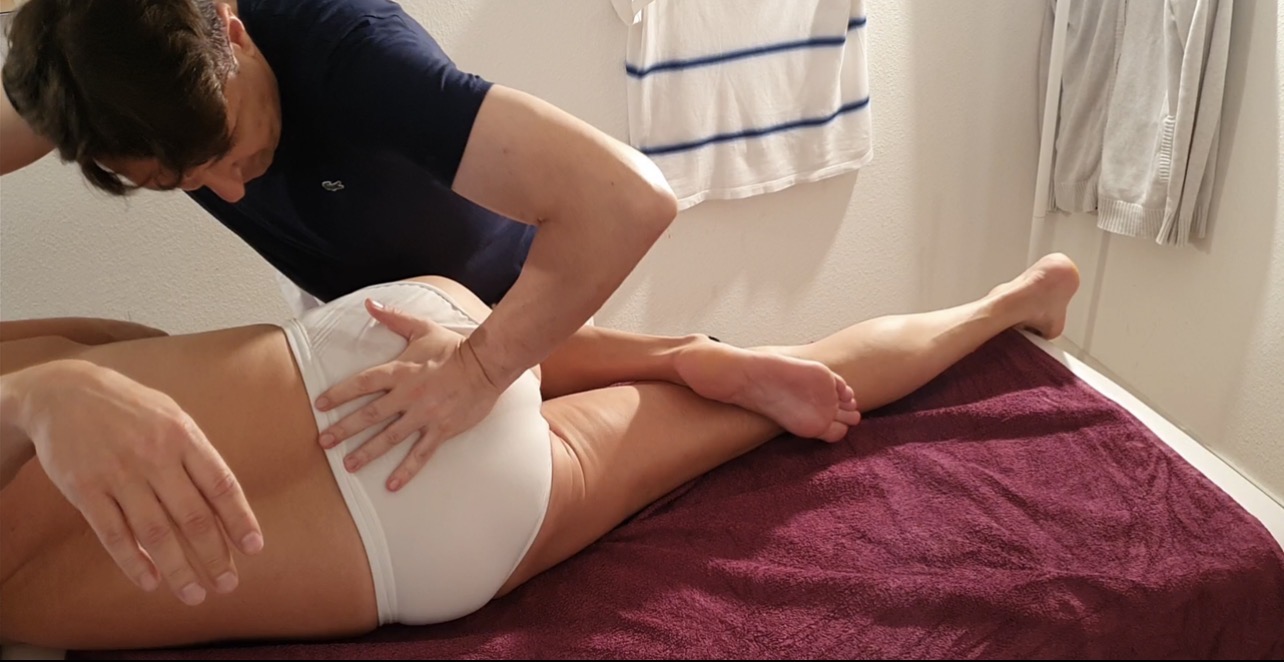
Emergencies, suspected fractures, progressive neurological deficits, signs of infection or other red flags require medical referral — not treatment in the clinic.
The first consultation clarifies the situation, checks indications and builds a proportionate strategy—before any technique is selected.
Clinical methods
Each method answers a defined clinical question. Treatment is never selected from a diagnostic label alone: it depends on the examination, your goals, contraindications and your response.
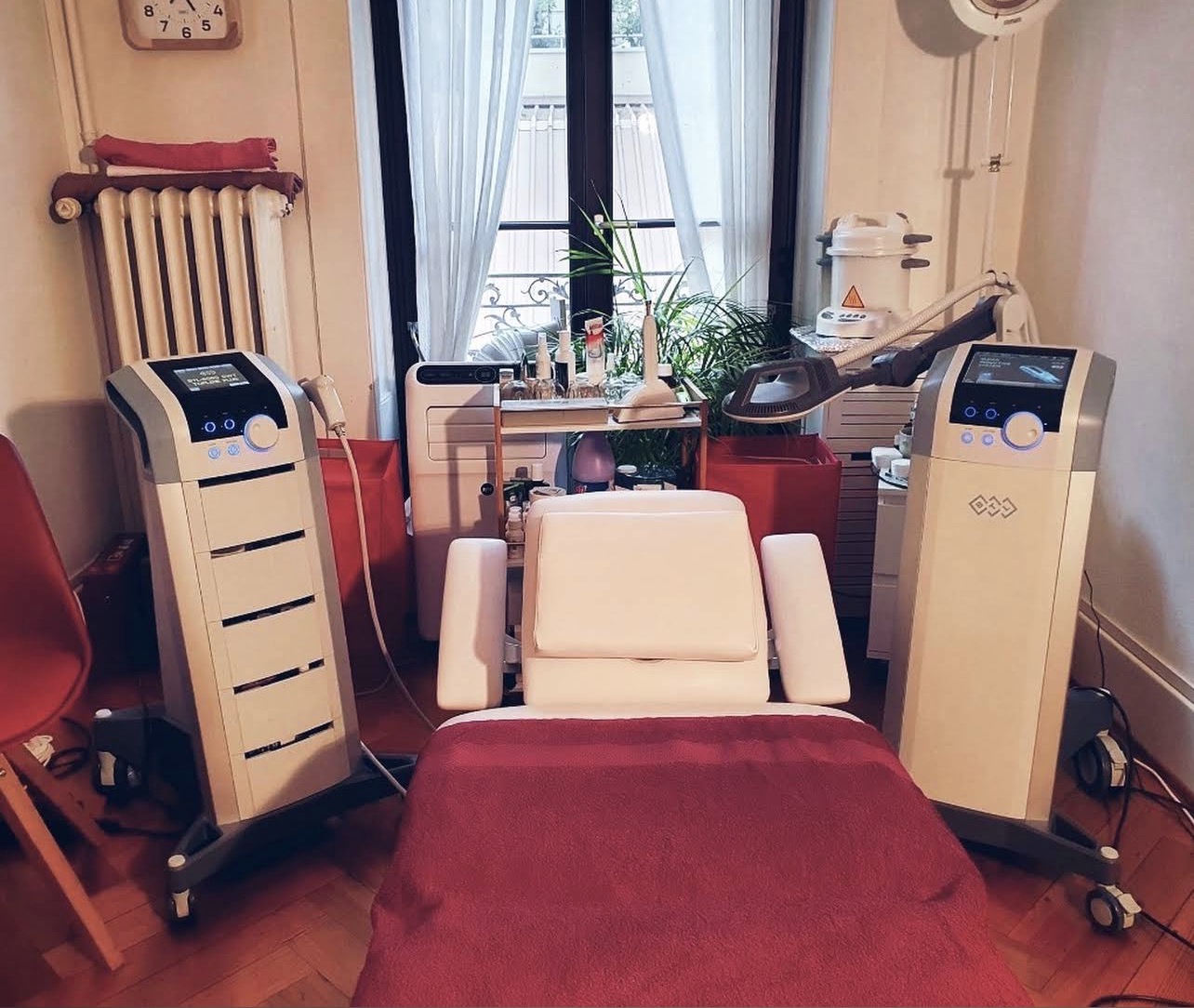
Assessment, manual treatment and technologies are coordinated around the individual case — never applied as an automatic sequence.
Photographed at IMG Clinic Geneva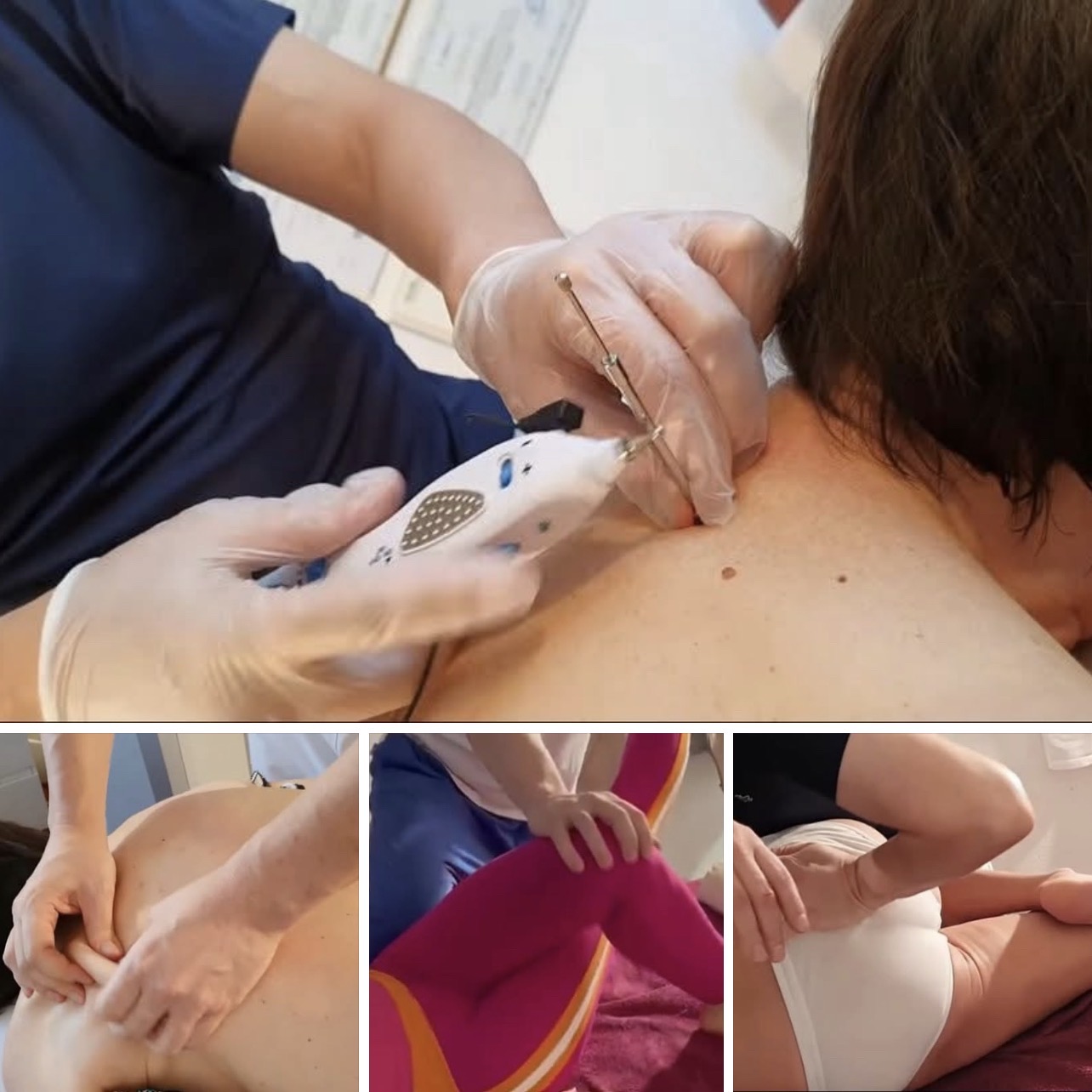
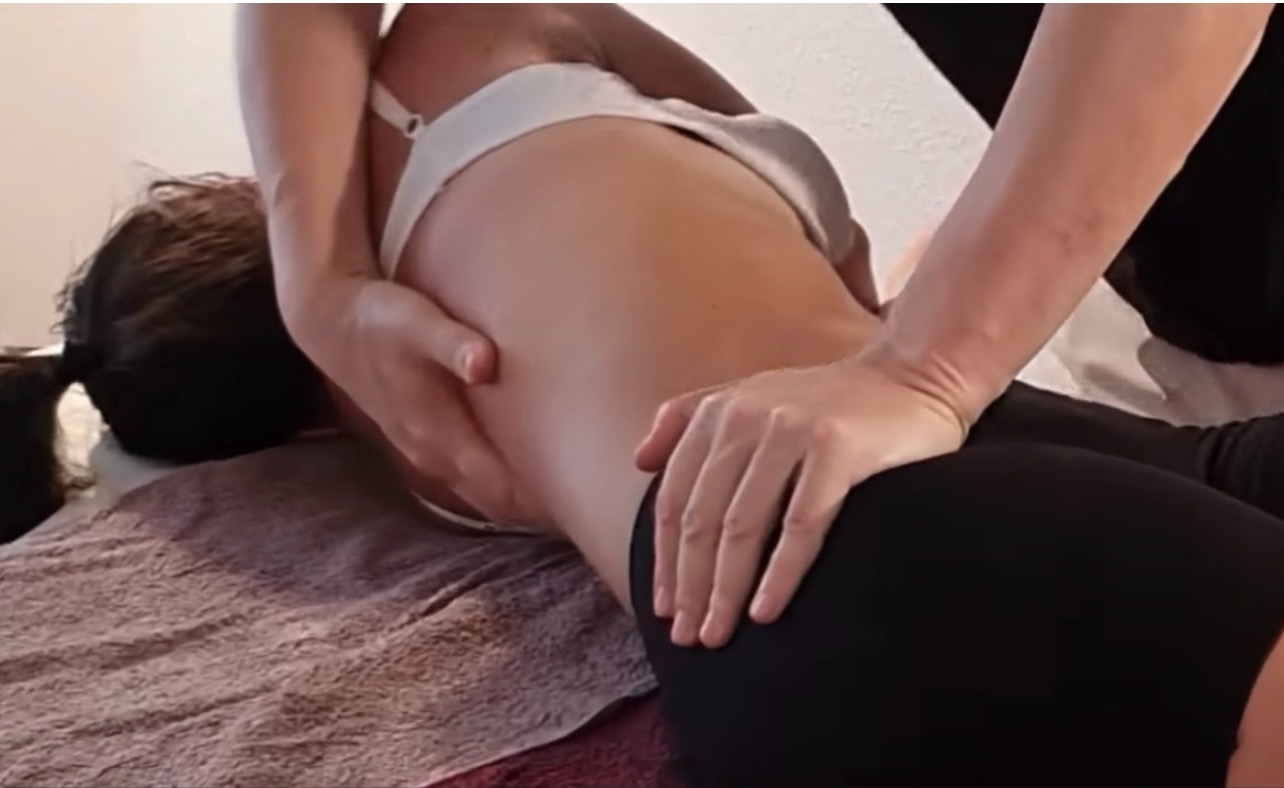
A structured functional examination, complemented when needed by dynamic soft-tissue imaging.
Tendon, muscle or joint pain, movement limitation, post-traumatic problems and situations where the structure needs to be understood more clearly.
Focused questions, movement observation, palpation and active or resisted tests. Ultrasound is painless; gel and a probe are applied to the skin.
Dose-controlled manual work on muscles, fascia and related tissues to reduce modifiable tension and improve movement.
Muscle hypertonicity, myofascial pain, stiffness, overload, post-exercise recovery and selected compensations after injury.
Pressure, tissue mobilisation and stretching adapted to you. Some areas may feel tender; pressure is adjusted continuously.
Precise joint and tissue movements intended to restore useful mobility without forcing a range that is not clinically indicated.
Neck or back stiffness, limited shoulder, hip, knee or ankle movement and restriction following immobilisation.
Guided movements that may be gradual or brief, depending on the technique. Safety screening precedes any faster technique.
Gentle contractions followed by relaxation and active work to turn an immediate change into more durable function.
Muscle stiffness, impaired control, reduced strength or load tolerance and progressive return to daily activity or sport.
You participate in the movement. Exercises are adapted to your level and may continue at home between sessions.
A method may be useful for one indication and unsuitable for another. No modality is applied automatically.
Swiss-born clinical innovation
Integrative Neurosegmental Therapy · INT
INT is IMG Clinic’s leading-edge clinical synthesis—an original Swiss conception of integrative rehabilitation.
INT is neither a device nor a single technique. It is a mechanism-oriented multimodal clinical framework connecting muscles, fascia, joints, ligaments, periosteum and their segmental neurological organisation.
It helps select and sequence interventions according to the examination: manual therapy, medical massage, myofascial rehabilitation, segmental neuromodulation, exercise and physical technologies.
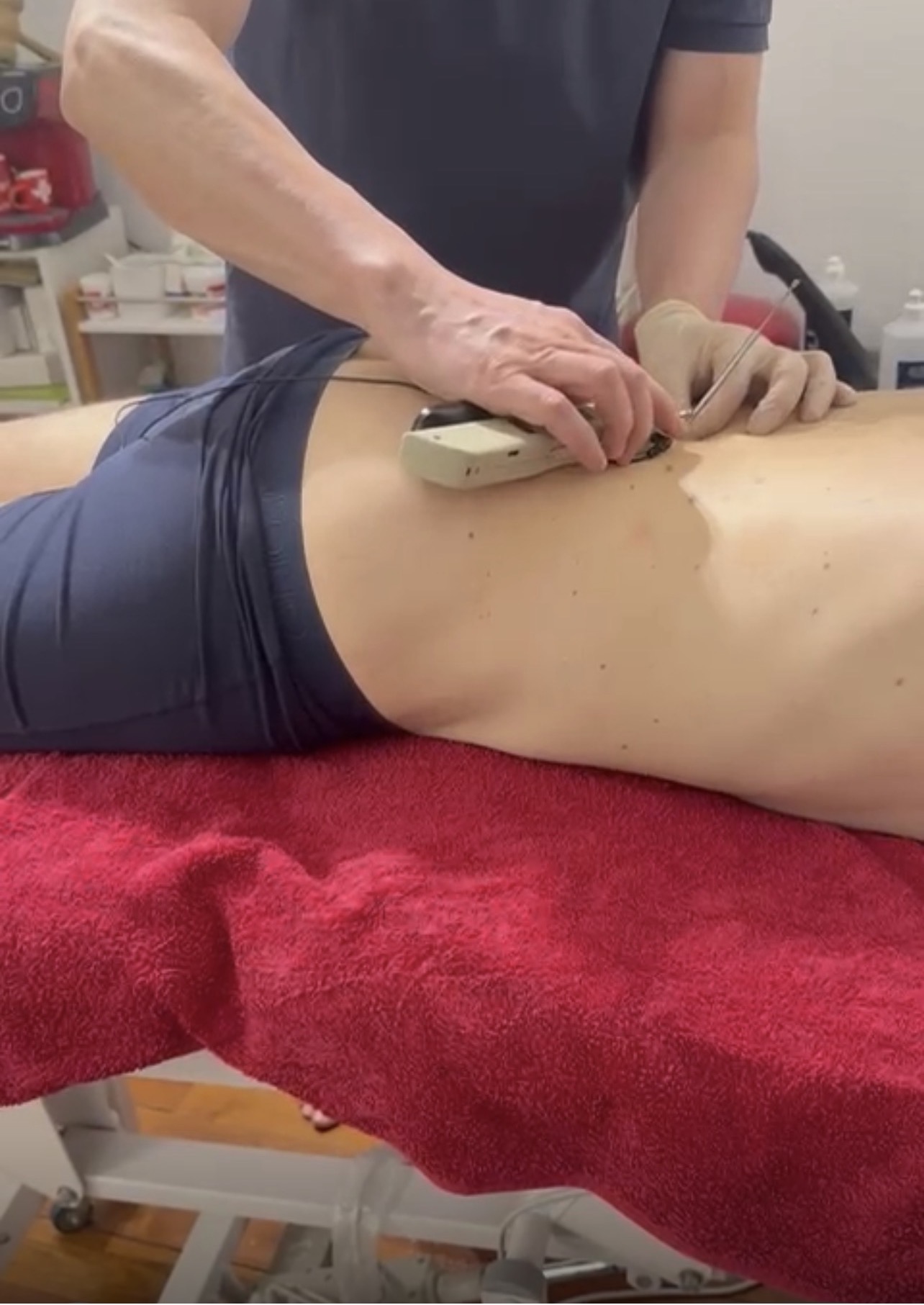
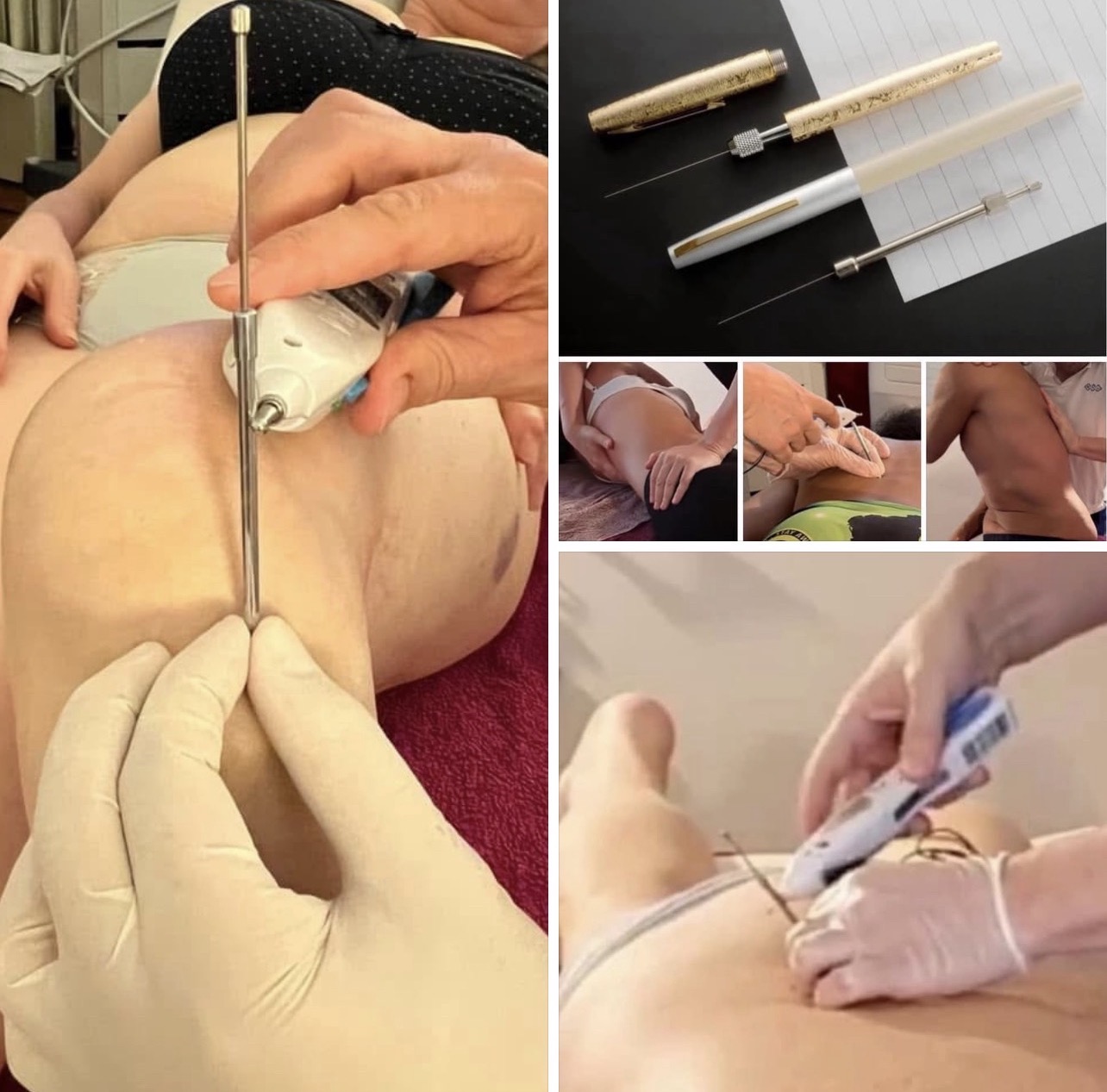
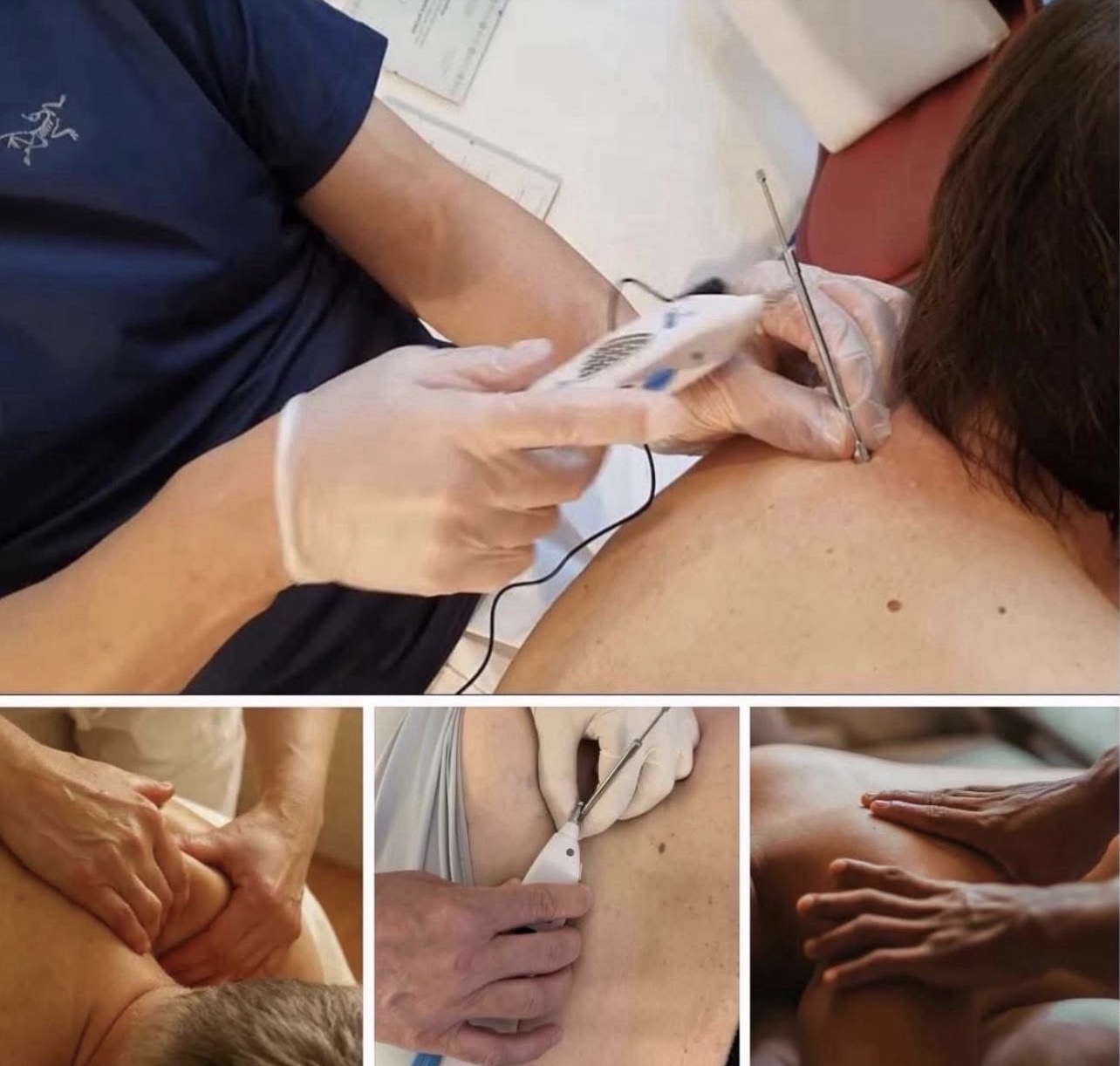
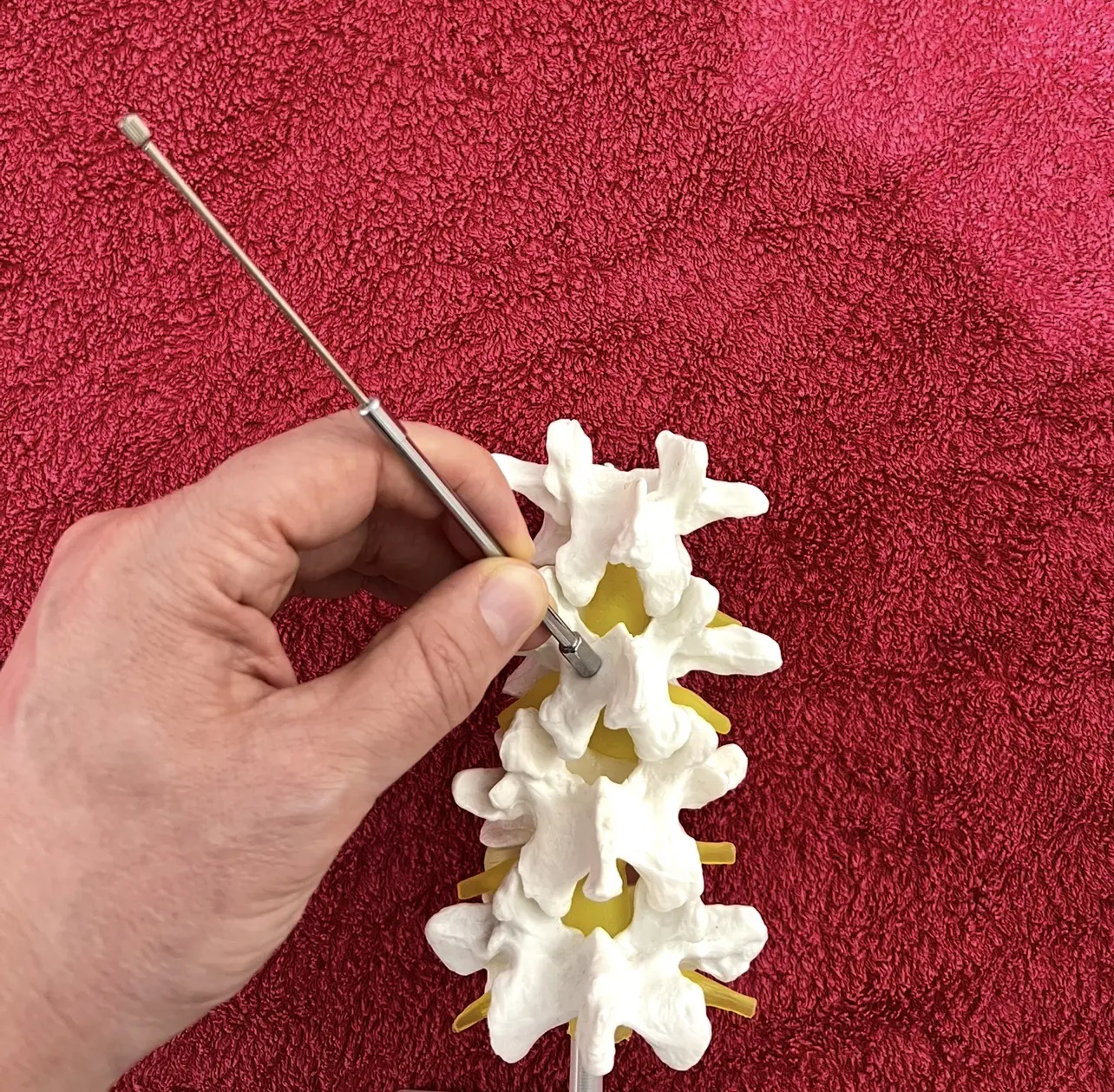
The photographs show the technique, the instruments and their integration into an IMG clinical session.
Original method born in Geneva, Switzerland
A specialised invasive technique integrated into neurosegmental reasoning — distinct from traditional acupuncture.
Segmentopuncture uses sterile, single-use needles to target selected deep hypercontractures, paravertebral areas or periosteal pain identified during examination. Controlled electrical stimulation may be applied when indicated.
An original neurosegmental method born within IMG Clinic and integrated into its Swiss therapeutic architecture.
For selected deep hypercontractures, paravertebral pain, myofascial or periosteal pain when examination identifies a relevant anatomical and neurosegmental target.
A brief prick, deep pressure or temporary muscle contraction may occur. Intensity is adjusted with you. Local tenderness or temporary fatigue may follow the session.
This method is not appropriate for every patient or every pain presentation. Risks, alternatives and possible reactions are discussed before any procedure. Results cannot be guaranteed.
Assessment, indication, contraindication screening and informed consent.
Anatomical targeting, asepsis, progressive dosing and tolerance monitoring.
Immediate reassessment, advice and integration with active rehabilitation.
Sterile single-use needles · asepsis · consent
Assessment and technology
Technology does not replace clinical reasoning. It supports it when it may clarify the assessment, modify a relevant mechanism or help functional progression.
Seeing a structure is not enough. Imaging is always related to your history, movement, clinical tests and function.
Anonymised in-clinic captures · visual examples, not stand-alone diagnoses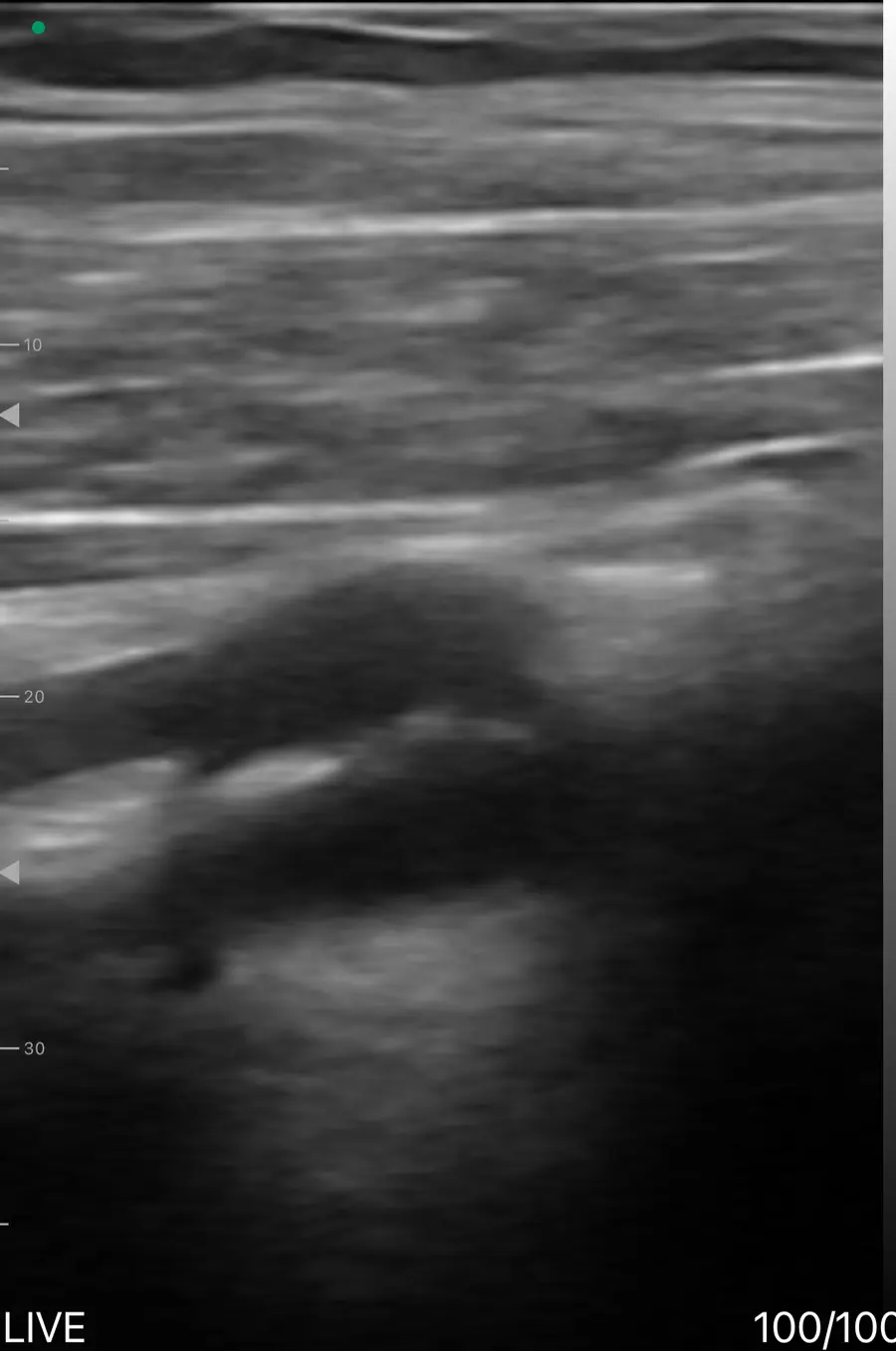
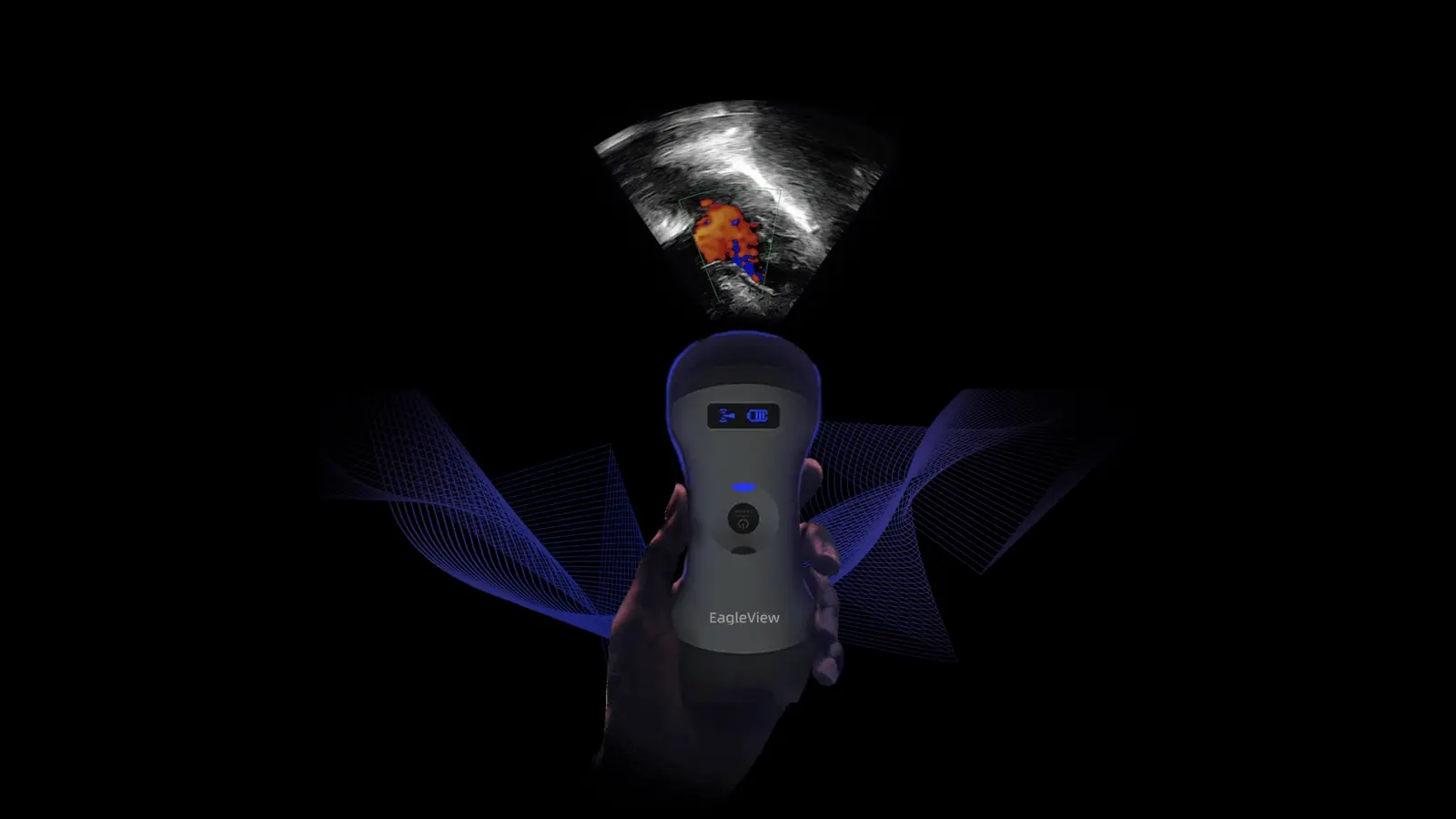
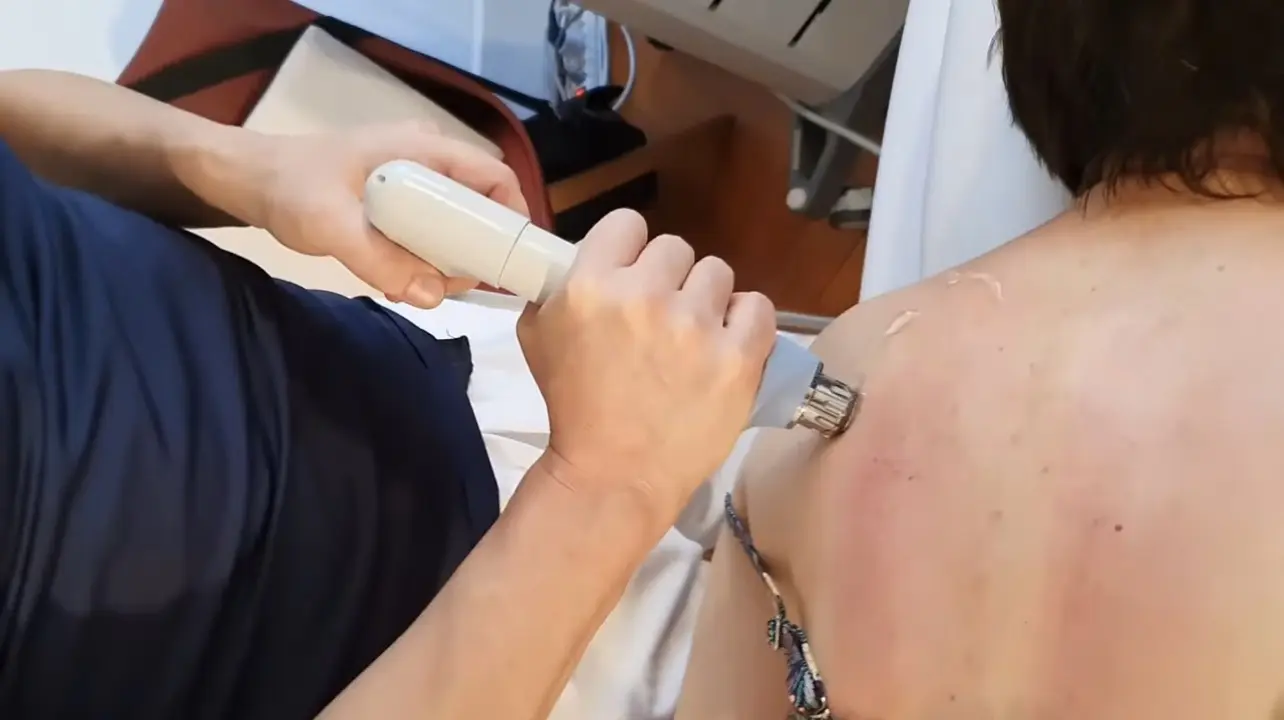
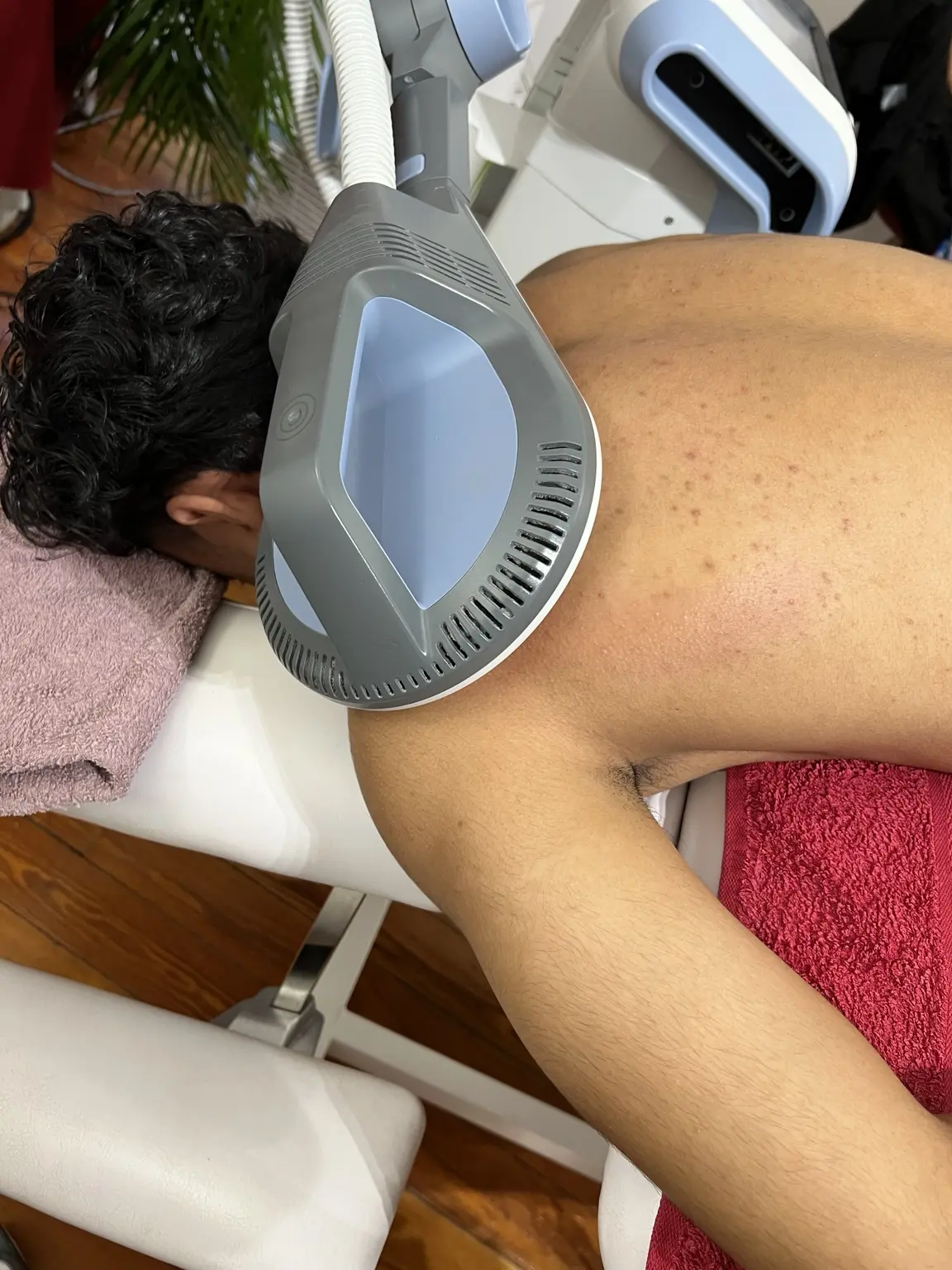
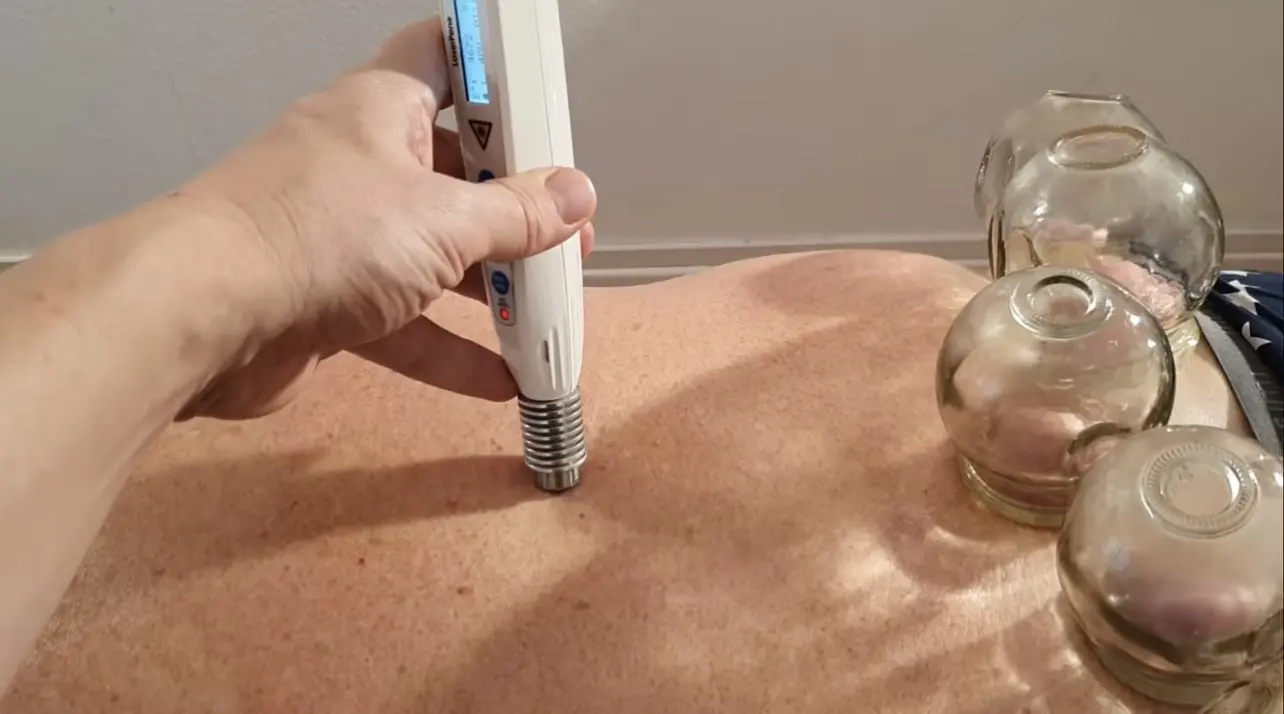
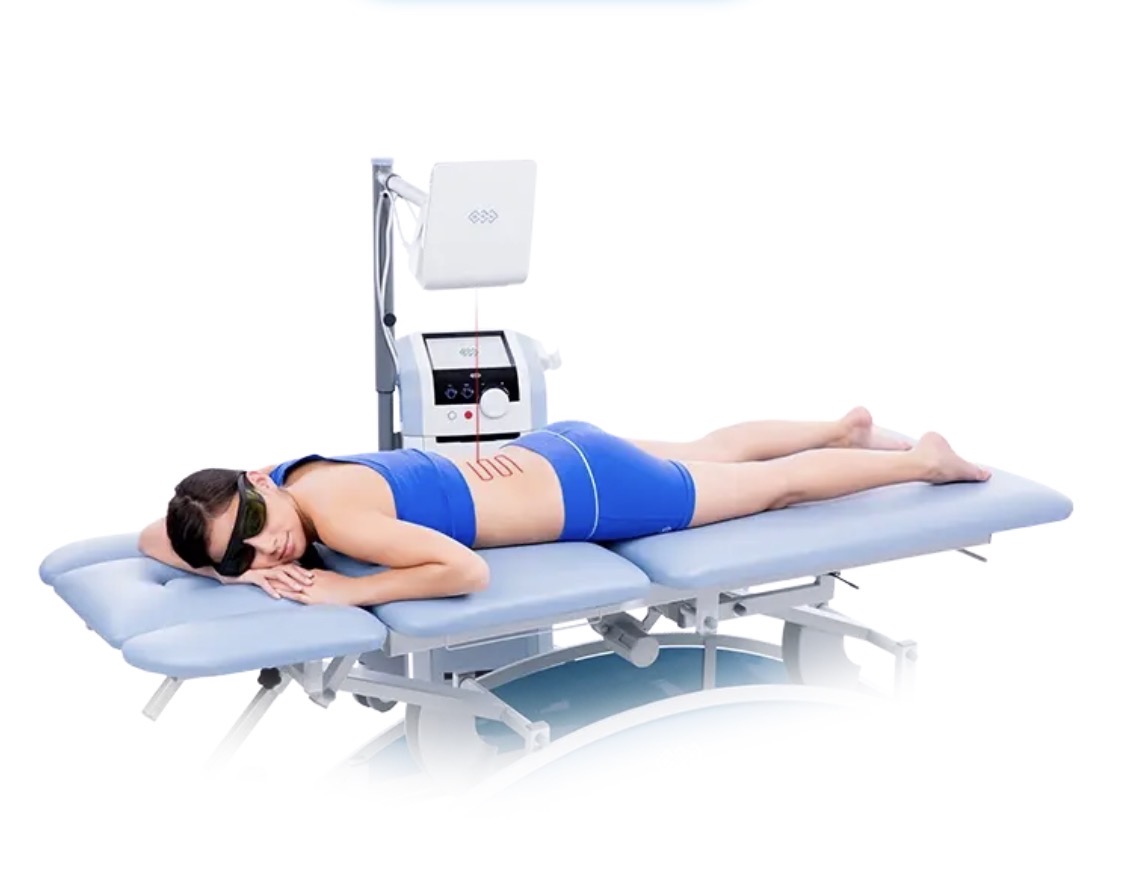
The EagleView probe shown is the one used at IMG Clinic Geneva. The shockwave, SIS and LaserPen views come from real in-clinic applications. The HILT view presents the robotic laser-scanning system.
EagleView™ · dual-head wireless ultrasound
Non-invasive dynamic imaging used alongside examination of muscles, tendons, joints and soft tissues.
Examining a structure during movement, informing clinical reasoning and documenting selected findings.
Gel is applied to the skin and the probe moved gently. The examination is normally painless and uses no ionising radiation.
It does not replace specialist radiological assessment when indicated and cannot, by itself, explain every pain experience.
BTL · Radial Shock Wave Therapy
Mechanical acoustic pulses are transmitted into tissue through a handpiece placed against the skin.
Selected tendinopathies and load-related musculoskeletal pain, depending on the tendon, symptom duration and clinical context.
You feel rapid tapping impulses. The area may be sensitive; intensity is increased progressively according to tolerance.
Screening includes pregnancy over the area, coagulation disorders, anticoagulants, infection, local tumour or an unevaluated acute injury.
BTL · Super Inductive System
A high-intensity electromagnetic field stimulates neuromuscular tissue without direct contact.
Neuromodulation of selected pain presentations, muscle activation or relaxation, and support for motor control in appropriate cases.
You usually remain clothed over the area. You may feel contractions or deep tapping, with intensity introduced progressively.
An electronic device or a metallic implant contraindicates treatment with this device. Prior safety screening is mandatory.
RJ-Laser · LaserPen 40 W PULSE · robotic HILT scanning
Therapeutic light may be delivered precisely with the LaserPen or by robotic HILT scanning, according to the area, tissue and clinical objective.
Supporting pain modulation and tissue recovery in selected musculoskeletal conditions, alongside appropriate rehabilitation.
Treatment is usually painless. The LaserPen targets selected points; the HILT system scans the treatment area without continuous manual contact.
Eye protection is used. Laser is not applied to the eyes or over certain contraindicated areas or conditions.
Each device is selected for a precise function, with contraindication screening and response reassessment.
Complementary biological support
An approach centred on communication between immune cells—without replacing conventional medical diagnosis or treatment.
Micro-immunotherapy uses sequential preparations containing immune signalling substances at low or very low doses. When considered, it forms part of an individual assessment alongside appropriate medical care.
In selected situations where the clinical history suggests that an immune, inflammatory or infectious context deserves consideration within the wider strategy.
A review of medical history, current treatment, contraindications and goals. The formulation and sequence depend on the individual situation.
Evidence strength varies by indication. This approach never replaces medical investigation, prescribed treatment, vaccination or urgent care.
Evidence & responsibility
The best available evidence, clinical findings, your history and goals, your preferences and the balance of potential benefit and risk.
No “cure” language, no universal technique and no guaranteed dramatic result. Evidence strength varies between modalities and indications.
If findings fall beyond conservative rehabilitation, medical review, imaging, laboratory tests or another specialty will be recommended.
INT and Segmentopuncture are presented with their origin, principles, current limitations and a clear programme for documenting outcomes—without confusing clinical experience with comparative evidence.
More than twenty years connecting functional assessment, medical massage, segmental neurophysiology and physical technologies within one coherent strategy.
An external clinical case illustrates the integrative reasoning. It documents an individual experience and is not generalisable proof.
Read the case and its limitations ↗Pain, mobility, strength, load tolerance, sleep and return to activity form the measurement framework for future anonymised, consented cases.
A prospective registry, transparent protocols, case series, white paper and future publications: a stated pathway, not evidence already achieved.
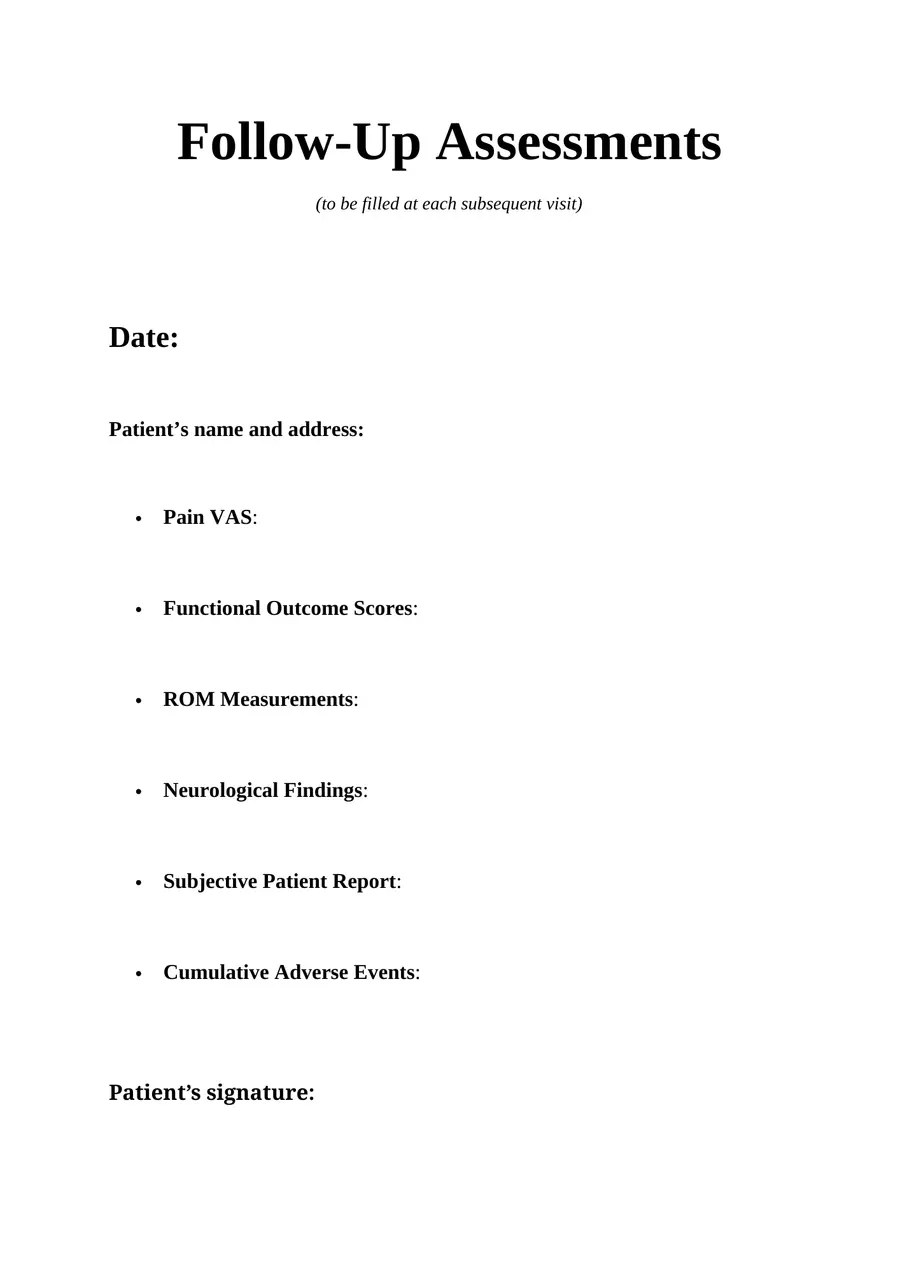
These internal documents show how indication, parameters, response and follow-up are structured. They demonstrate clinical governance; they are not presented as comparative effectiveness evidence.
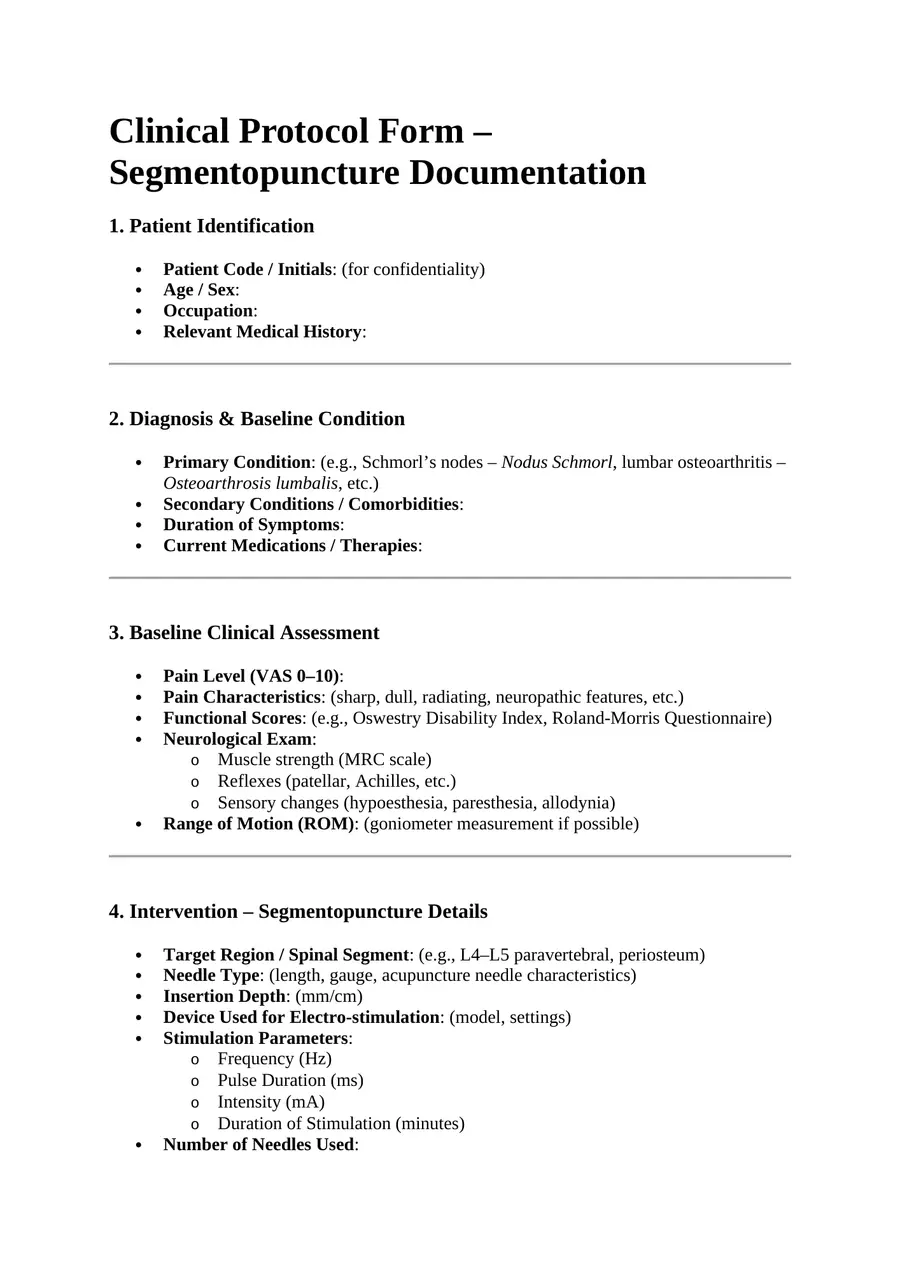
Demographics, history, examination, imaging, synthesis, treatment, immediate response, full protocol and recommendations.
Risks, possible effects, fees, insurance, absence of cure promises and continuity of conventional medical care are explicitly documented.
VAS, functional scores, mobility, neurological examination, intervention parameters, immediate response, adverse effects and longer-term outcomes.
A 165-page MEGEMIT course resource by Gunter Schlegel, 2019. It documents professional education; it does not prove clinical efficacy for an indication.
Named reports, invoices and clinical cases supplied to IMG are neither published nor downloadable. Only anonymised, measured cases with specific publication consent may enter this evidence centre.
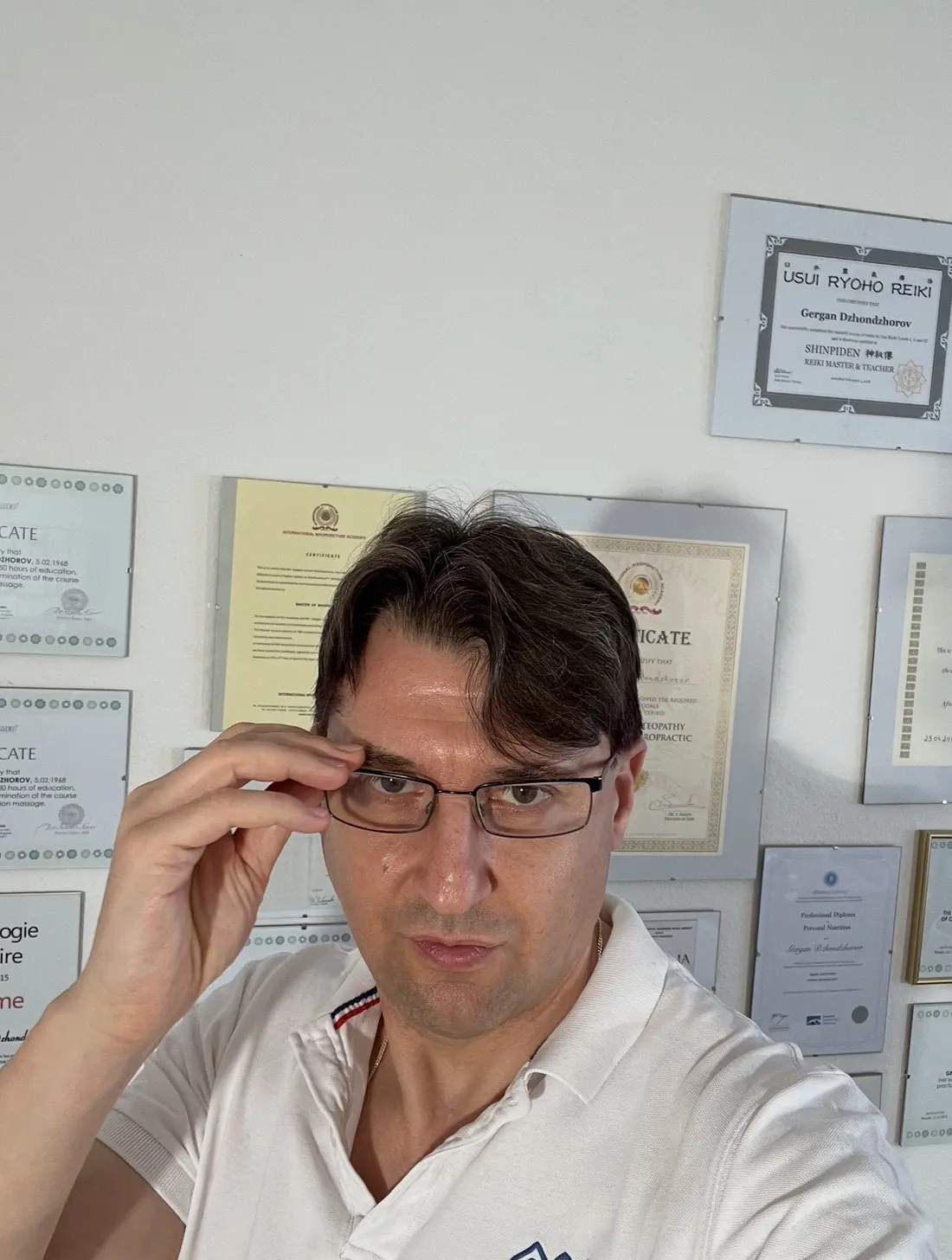
Documented training, a clearly presented scope of practice, and medical referral whenever the situation requires it.
Bring relevant imaging reports and medical letters.
Report medication, anticoagulants, implants, pregnancy and important medical history.
A session may consist of assessment without any need for an invasive treatment.
Website information is educational and does not constitute a diagnosis.
Practical questions
Clear answers about the first consultation, medical referral, invasive techniques and reimbursement.
The consultation begins with your history, goals and a focused clinical examination. The plan is then explained and adapted to the findings. A session may remain assessment-only when immediate treatment is not indicated.
A referral is not usually required to request an initial assessment. Depending on your symptoms, diagnosis, recent procedure or insurer’s requirements, medical review or coordination may nevertheless be recommended.
No. It is considered only when a clinical indication is identified, after contraindication screening and informed consent. Non-invasive alternatives are discussed where appropriate.
Some services may be covered by complementary insurance. The decision depends on your policy, insurer and the recognised method. Ask your insurer for written confirmation before the consultation.
The practitioner
Founder of Integrative Medicine Group and creator of Segmentopuncture
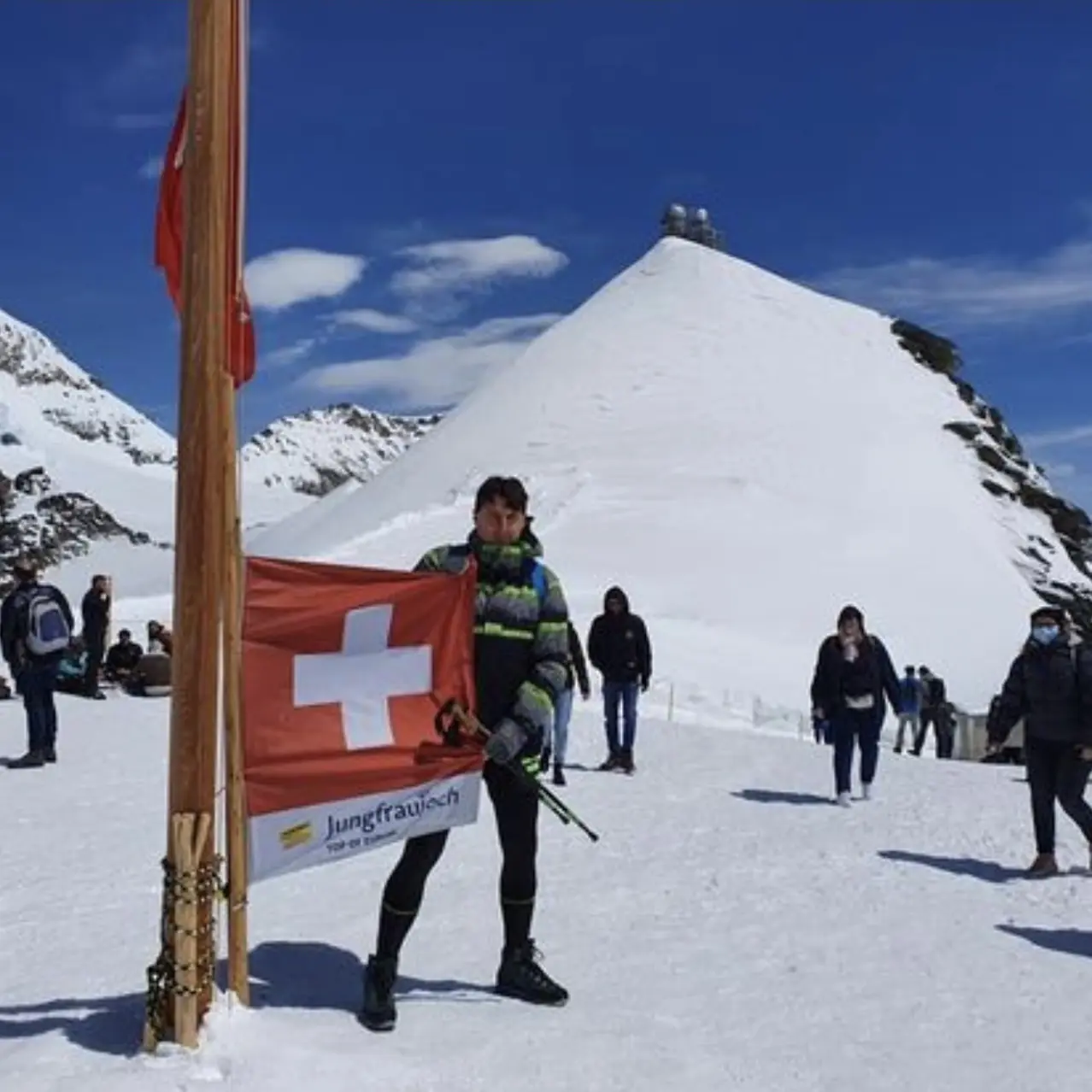
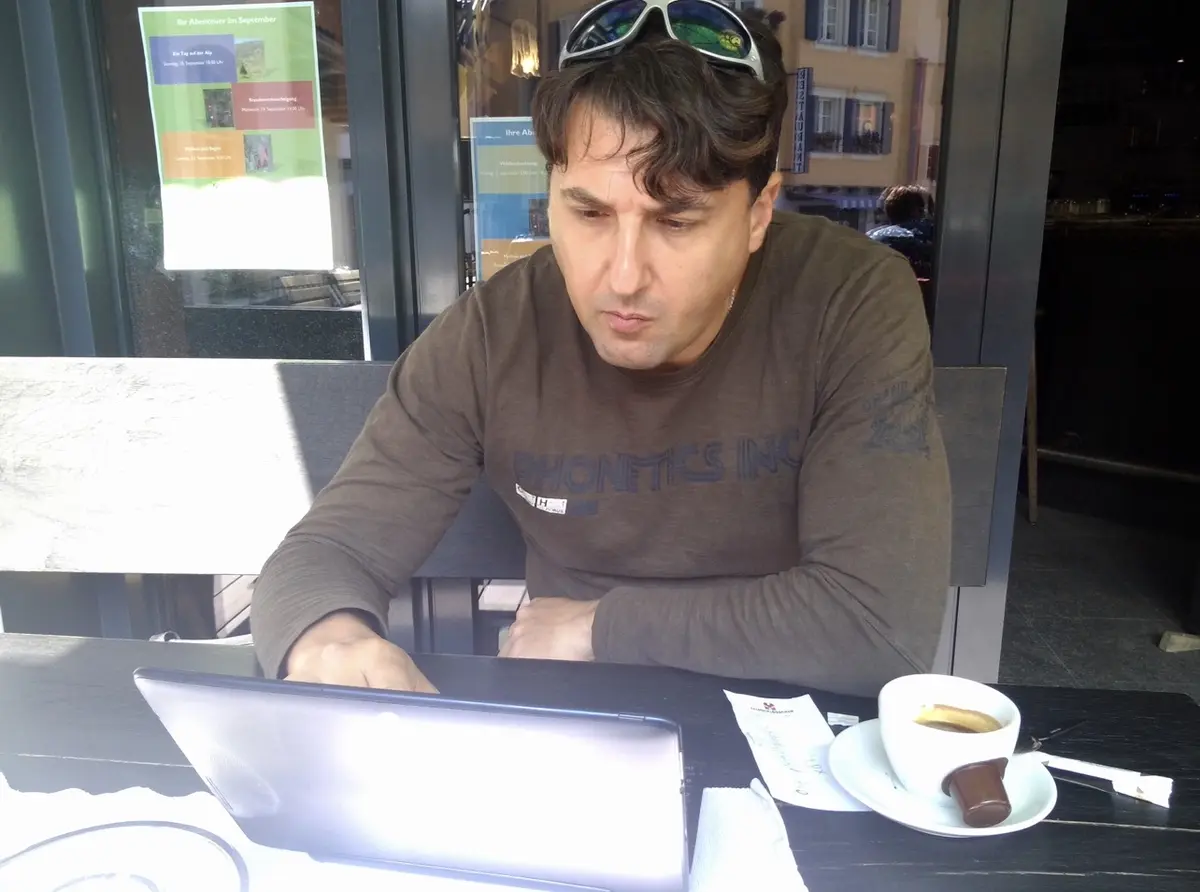
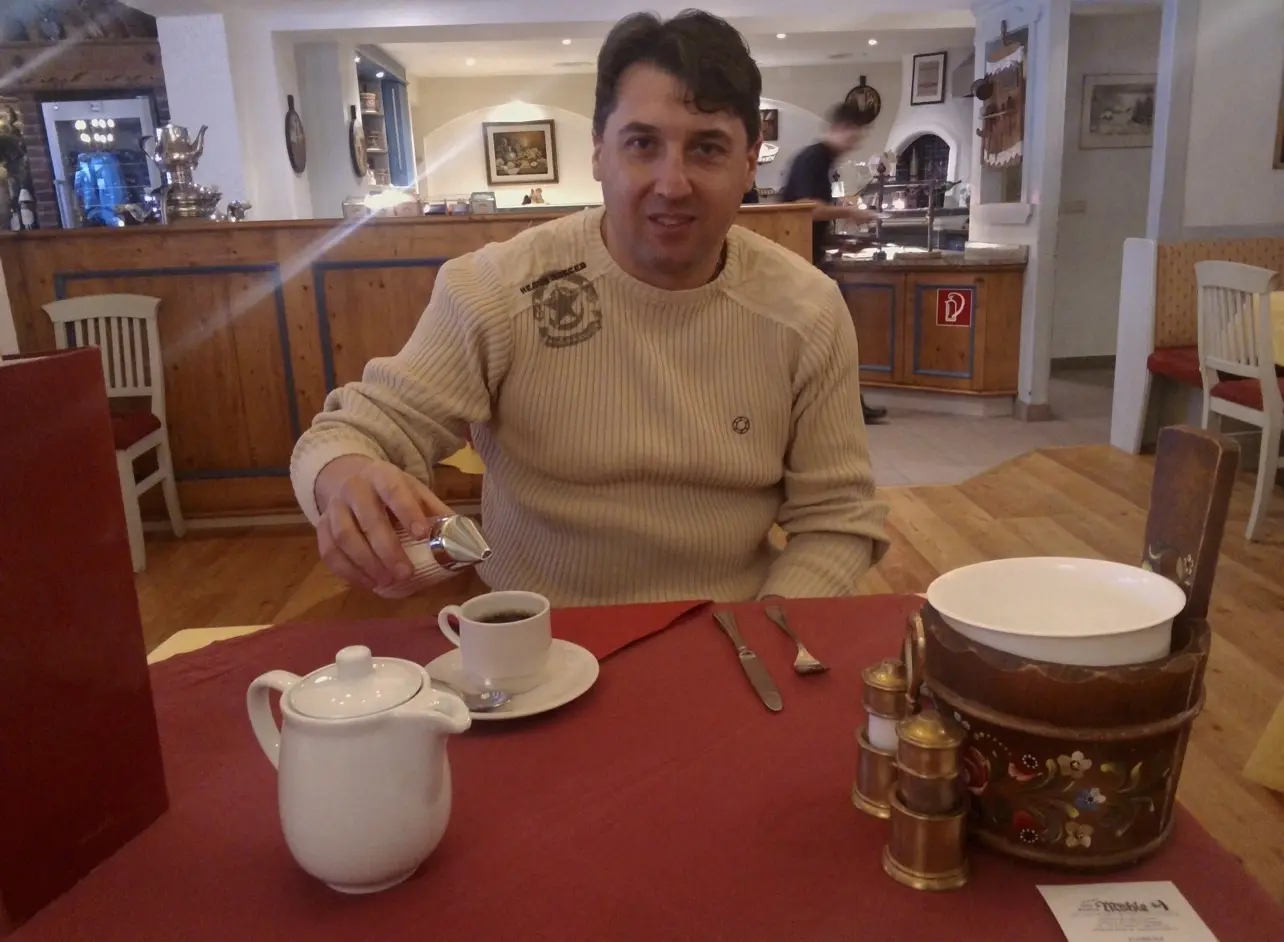
Gerry Ivanov (Gergan Dzhondzhorov) is a specialist in medical massage and integrative rehabilitation in Geneva. For more than twenty years, his clinical work has connected functional examination, manual therapy, segmental neurophysiology and rehabilitation technologies.
His aim is not to apply more techniques, but to understand which components are relevant, in what order and at what dose for each patient.
Some services may be reimbursed through complementary insurance depending on your policy, insurer and the recognised method. Always confirm eligibility and the reimbursement amount directly before your appointment. IMG Clinic cannot guarantee coverage.
Direct contact
No intermediary booking platform. Contact IMG Clinic directly by telephone or email.
Consultations by appointment only.
Confirmed according to the planned assessment and your goals.
Provided before the appointment is confirmed.
Confirm eligibility directly with your insurer.
To protect your privacy, do not send a complete medical record by email. Include only your name, telephone number and when you would like to be contacted.
f Follow educational activity on Facebook ↗